
What Injury Taught Me About Training, Patience, and Progress
Returning From Injury: Learning to Listen, Adapt, and Move Forward
I am 10 weeks post surgery on my Iliac artery and I thought I’d share some of the lessons from rehabilitation that I will continue to apply to my training. The process of surgery and recovery allowed me to explore a new way of thinking- one that has allowed me and the people I work with to make more effective decisions.
The new approach is not just about building strength or ticking off sessions—it’s about learning a new relationship with the body. One that requires patience, awareness, and a willingness to let go of rigid expectations.
Here is a small insight into the training process:
1. Awareness Over Assumption
One of the biggest shifts in returning from injury is learning to truly listen to your body—not just hearing it, but understanding it.

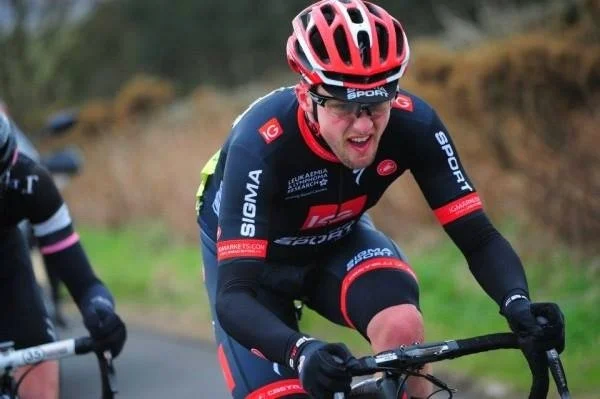
James Jobber racing at the Tour of Thailand
There’s a difference between discomfort and pain. Between low energy and true fatigue. Between stiffness that improves with movement and something that worsens the more you push.
Start asking yourself:
How motivated am I to get into the session? How do I feel during it? and after?
Am I experiencing pain and is it sharp, dull, lingering, or not inline with what I’d expect?
Your body is constantly giving feedback. The challenge is how to respond in the right way and not to be too rigid following the session.
2. Adaptability based on sensations
Plans are useful—but they’re only a guide.
A structured programme can provide direction, but recovery and your body’s adaptation doesn’t follow a script. There will be days where everything feels aligned, and others where even the warm-up feels like a struggle.
The key is accepting when you need to adjust:
Cutting a session short
Adapting the intensity of a hard workout based on how the intervals feel on the day
Taking an extra rest day without guilt
This isn’t failure. It’s EFFECTIVE training.
The ability to deviate from the plan when needed is often what allows you to build long-term.
3. Goals guide, they don’t provide a benchmark day to day
Goals are important. They give you intent day to day and a clear vision of where you’re trying to get to. The challenge comes when they become a benchmark for comparison when completing sessions.
If you measure every session against your end goal, you’ll almost always feel behind.
Instead:
Use goals to steer you and motivate you, not define success each day.
Focus on what actions you can make today to move towards your goal.
Be aware that progress rarely comes in huge jumps, it’s usually subtle improvement that accumulates over time.
4. Progress Lives in the Small Wins
It’s easy to overlook improvement when it doesn’t look dramatic. But in recovery, the smallest changes often matter the most. As a coach I am constantly having to remind people of how much they have improved. Progress might look like:
Average level of performance improving, not just the top level rising
Lower RPE in the final hour of an endurance ride
Better repeatability of intervals
Strong legs towards the end of a heavy training block
Lower heart rate and RPE for the same output
These are not minor details—they are the foundation of long-term progress.
Recognising them keeps you motivated and grounded in reality, rather than chasing unrealistic leaps forward.
Final Thought
Rehabilitation isn’t just about getting back to where you were as quick as possible. It’s an opportunity to evolve with a deeper understanding of your body. If you can stay aware, stay adaptable, and stay focused on small, consistent progress, you’ll not only recover—you’ll come back with a deeper understanding of how to train more effectively.
Listen closely. Adjust often. Celebrate small wins.
That’s how real progress is made.
