
The Goal of Training Is To Create Autonomy
The ultimate goal of performance training isn't to make an athlete better at following instructions. It’s to help develop their instincts in the right way so that more often than not, they’re making the right choices.
This is particularly important in cycling, where performance requires far more than fitness.
You need to position yourself, corner, descend, respond to attacks, eat, drink, manage fatigue and adapt when things don't go to plan.
These are skills, and skills need to be learned.
Training is where we think
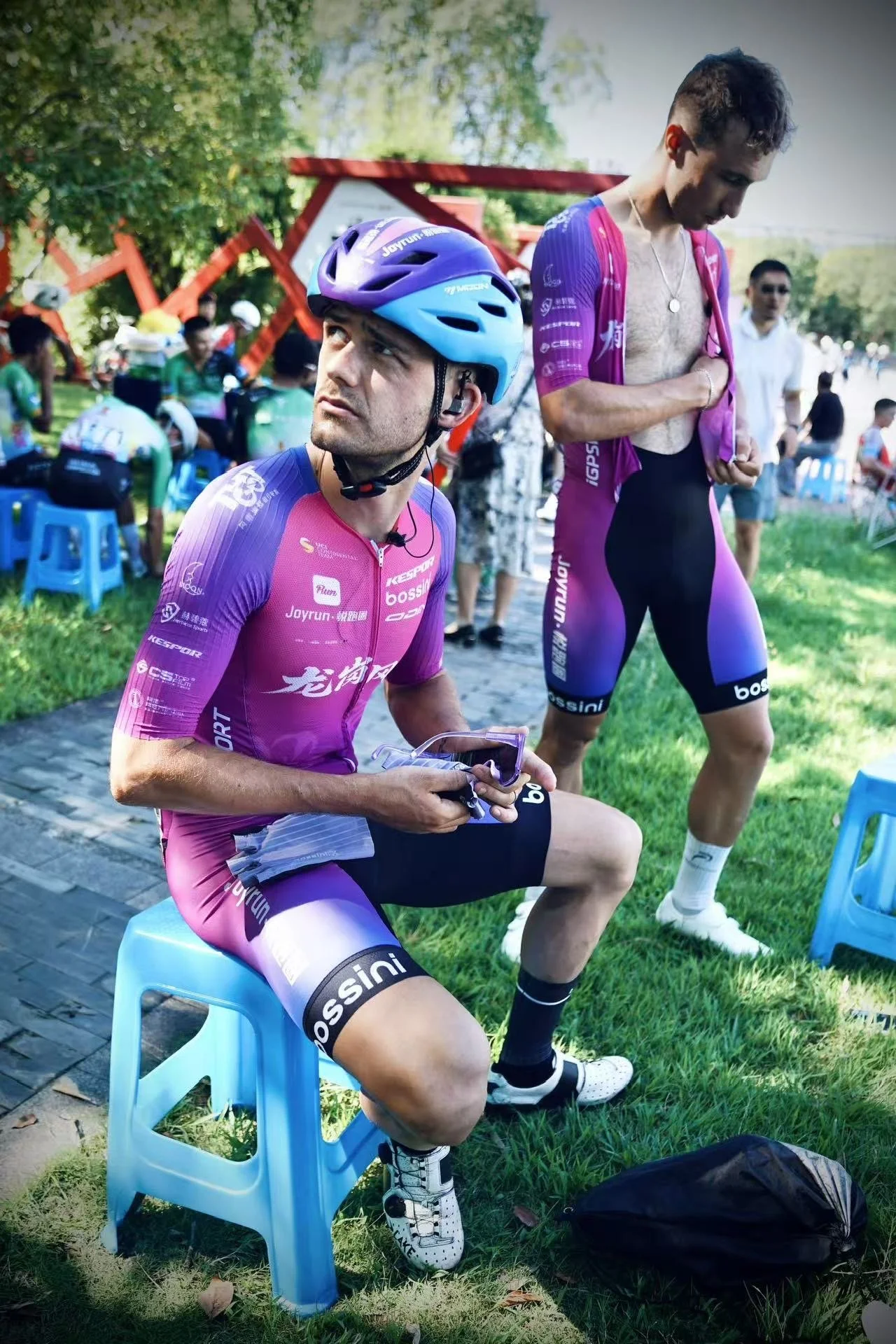
James Jobber at the Tour of Shanghai 2025
When we're learning a skill, we need to consciously think through the process. How should I pace my effort? When should I start my sprint? When should I be eating?
Training gives us the opportunity to ask these questions, experiment, make mistakes and find the answers. Through repetition, those decisions become increasingly familiar.
The goal is to move from thinking about what to do to knowing what to do.
The event is where we execute
When we arrive at the event we've been preparing for, we don't want to be thinking through every skill we've practised. The training has given us the opportunity to practise the actions repeatedly, so that when we need them, we can execute them with confidence.
This creates space for something much more important: decision making.
Cycling is unpredictable. The pace changes. Other riders make decisions. Gaps open. Opportunities appear. Your legs might feel different from how you expected.
You can't plan for everything. You need the skills and experience to respond.
Control and clarity
Once the skillset is in place the focus then shifts to creating a mindset that allows us to clinically execute our skills at the right time. We want our riders to subconsciously be eating, drinking, well positioned for majority of their events.
We want athletes to be able to execute the skills they've developed with control and clarity, while having an awareness on what is happening around them.
Instead of your mind being occupied by the individual processes, they can focus on the tactical decisions that matter.
How do I need to respond to this situation?
What's happening around me?
Where is the opportunity?
Am I riding the right intensity?
Do I have control of the situation and my effort?
That's autonomy.
