
Why Get a Coach With so Many Good Training Plans Out There?
There's never been more information available to cyclists. Training plans, YouTube videos, podcasts and AI tools can all provide structured workouts and explain the latest research. It's entirely possible to build a training plan without ever speaking to another person.
So why bother working with a coach?
The answer isn't because we have access to secret training methods. It's because performance isn't just about knowing what to do. It's about knowing when to do it and why.
Training Is About Decision Making

The biggest difference between a generic training plan and a coach is that a coach helps you make decisions.
A training plan assumes everything goes according to schedule. Tuesday is intervals. Saturday is the long ride. Recovery week arrives every fourth week.
Real life rarely follows that script.
Maybe work has been exhausting. Maybe you've had three nights of poor sleep. Maybe your motivation has disappeared after a stressful week. Or perhaps you're feeling incredible and ready for more than the plan suggests.
We help our clients interpret those moments. Sometimes the best decision is to push on. Sometimes it's to adapt the session. Sometimes the fastest way to improve is to rest.
Knowing the difference is where experience becomes valuable.
The Right Challenge Matters
Many riders believe improvement comes from constantly increasing the workload or chasing bigger events. Sometimes that's true, sometimes that’s the worst decision.
A good coach helps you choose goals that stretch your ability without overwhelming you. The aim isn't simply to make training harder; it's to make it productive.
If your goals are too easy, progress stalls because there's no reason to adapt.
If they're too ambitious, training can become a cycle of fatigue, frustration and disappointment.
Finding that balance is one of the most valuable things we can offer.
Life Doesn't Stop for Your Training
No training plan can predict illness, injury or the unexpected demands of everyday life.
Many athletes panic when they miss a week of training. They then overcompensate the following week to make up for missed hours. Ironically, this often delays progress even further.
We are here to help provide perspective.
Instead of reacting emotionally, you make calm decisions based on experience. Sometimes losing a week is insignificant in the context of a year's training. Sometimes returning more gradually is exactly what allows you to come back stronger.
The plan isn't abandoned, it's adapted.
Experience Beats Information
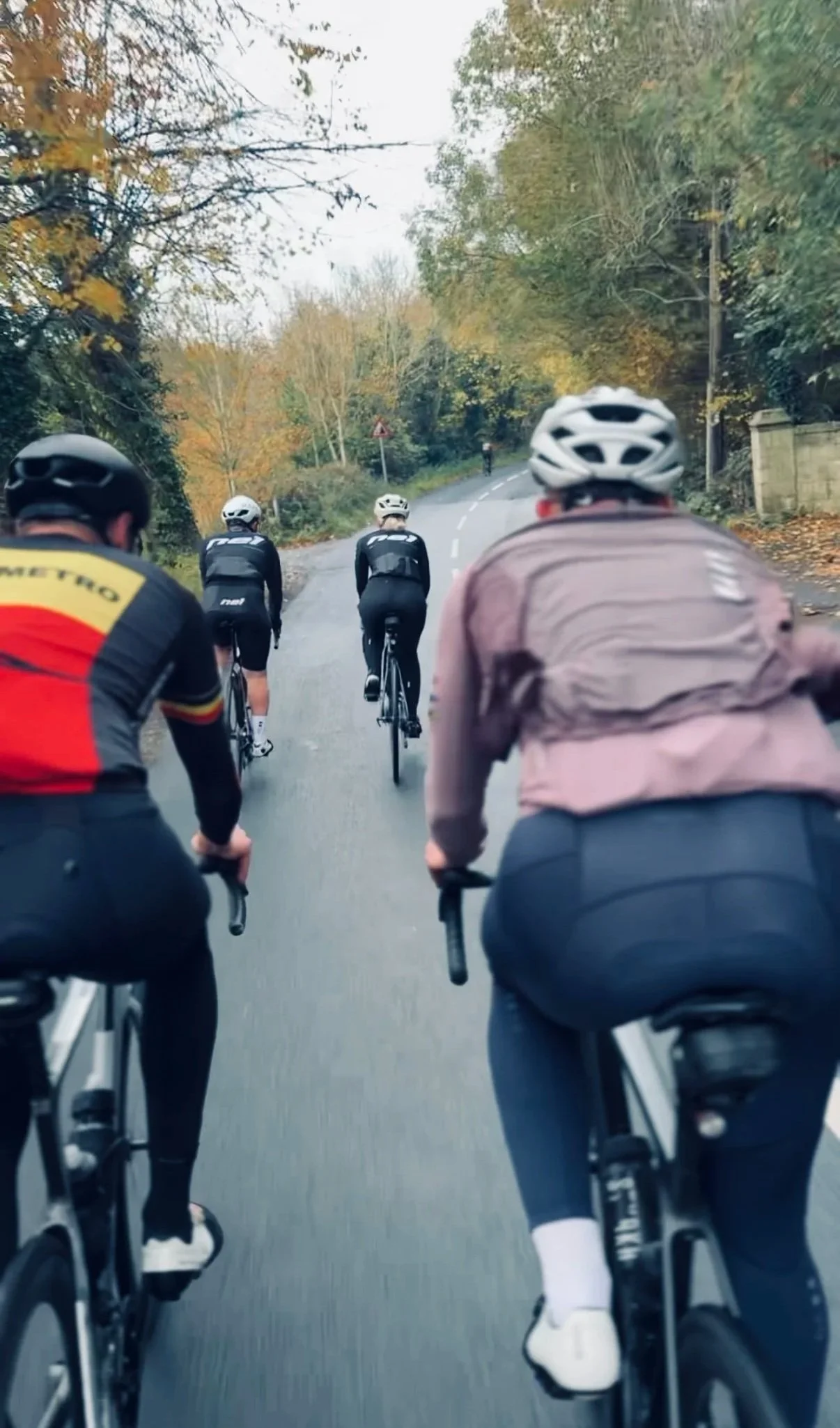
The internet is full of good advice and the challenge is knowing which advice applies to you. It can be difficult to find the right solutions when the problem has been generated by the person asking the questions.
As experienced coaches we have seen hundreds of athletes respond differently to similar situations. Two riders can complete exactly the same training yet require completely different advice.
That experience can't be replaced by a summary of research or a collection of popular opinions.
It comes from years of observing what actually works.
You're Not Just Paying for a Plan
Many people think coaching is about receiving a weekly schedule. In reality, that's one of the least valuable parts and what you're investing in is judgement.
Someone who understands when to push, when to hold back, when to change direction and when to stay patient. Someone who helps you avoid the costly mistakes that don't show up on a training calendar.
As coaches we are not here to tell you what to do. We are here to help you make better decisions and over time those better decisions compound into better performances.
That's something no generic training plan can deliver.
