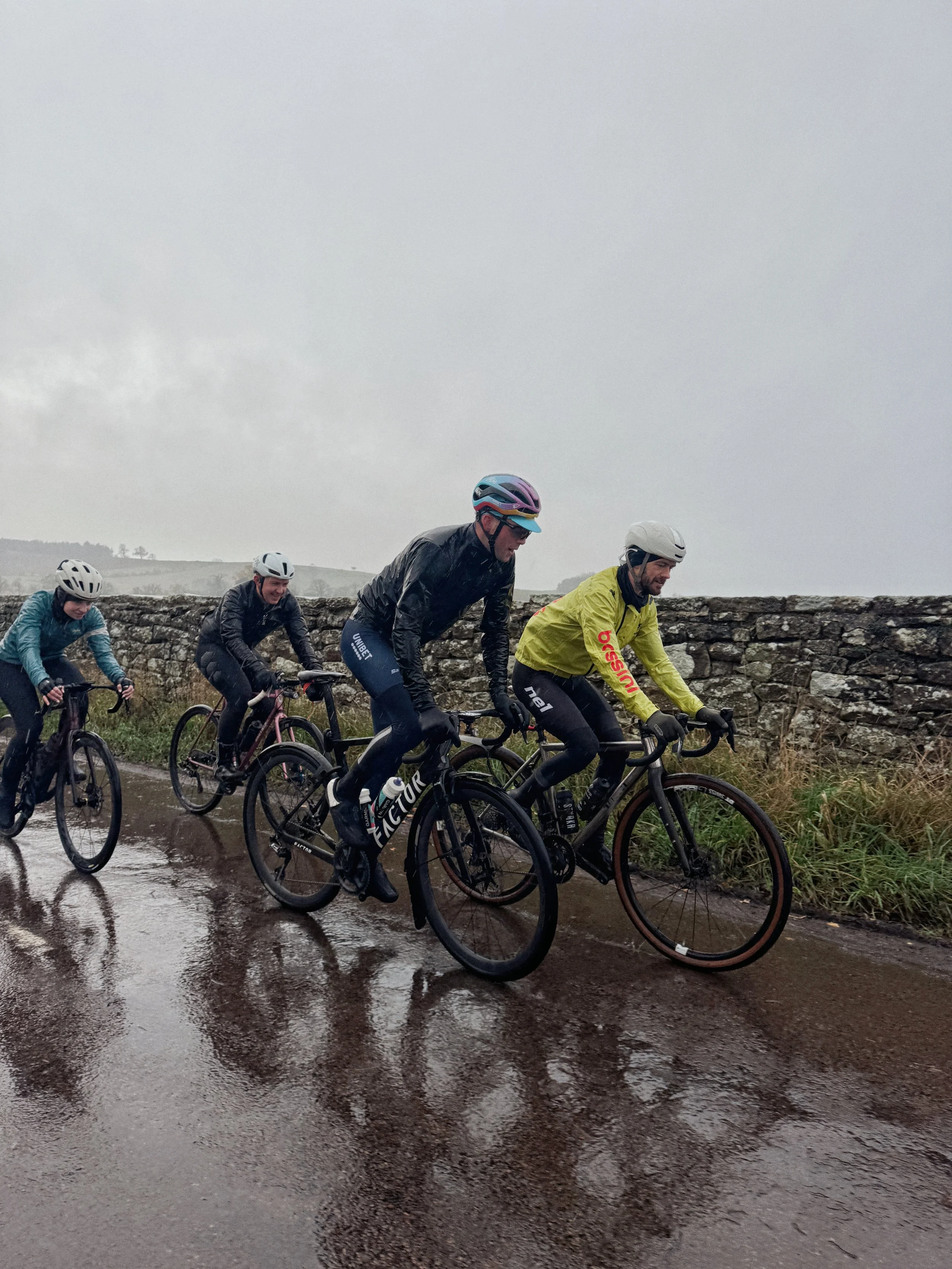
The lost art of group riding
Once, group rides were about learning the art of riding effectively as a unit whilst knowledge would be shared from experienced riders to those that are starting out. Conversations at the café were full of race anecdotes, bike tips and plans for future outings. Now, the post-ride chatter more often revolves around average power, Strava segment times and TSS. The language of outcome and data has become the default, and that shift is changing how groups ride together — often for the worse.
From wisdom to data-driven chase
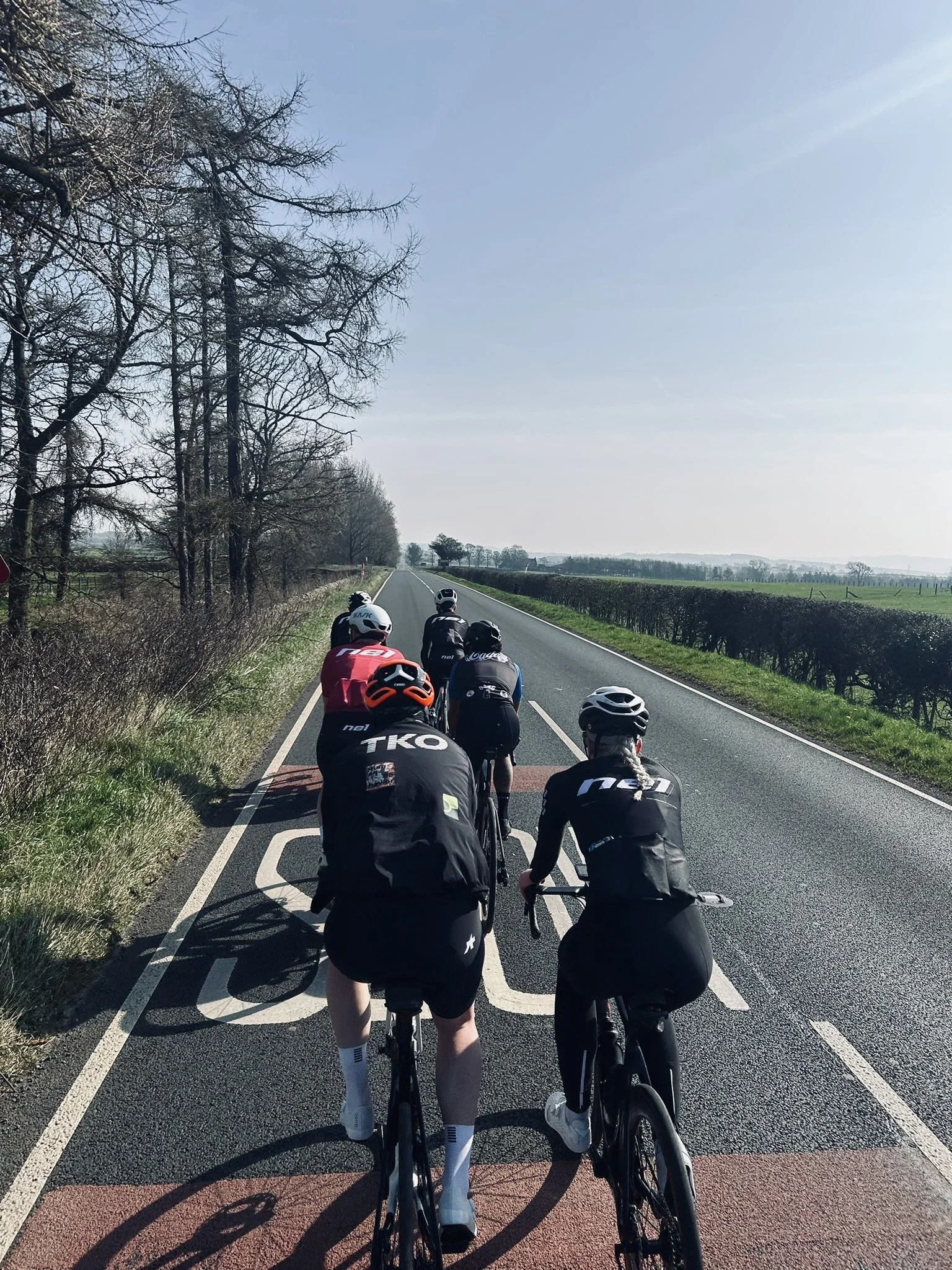
NE1 Performance group ride
Data is useful. Power meters, GPS platforms and training load metrics have helped cyclists train smarter and measure progress objectively. The problem arises when those measurements become the objective of the ride rather than a tool. When the topic at the café is who lifted their Normalised Power by 10 watts over last week or who dropped a minute on a local segment, a subtle pressure enters the group dynamic. A ride that once favoured structure and shared workload turns into a series of opportunities to chase numbers.
When we started in the sport, group rides were our classroom: more experienced riders shared wisdom, offered technical feedback on position, pacing and cornering, and introduced us to the local racing scene. Those regular outings taught us how to sit in the wheels, how to ride effectively in a break, when to conserve energy and when to push. Beyond fitness, the subtle tips and real-time coaching from peers accelerated our learning and gave us a rounded skillset rather than just strength.
Why chasing numbers becomes chaotic
Group riding relies on tacit social rules: consistent pace, smooth rotations, communication, and an awareness of weaker or less confident riders. When chasing numbers, those rules are frequently broken.
Surging and inconsistent pace: Riders push harder on climbs putting people in the red and breaking up the group. This puts some people into survival mode where they spend the enitre ride on the limit needing days to recover.
Poor communication: It is harder to have clarity and awareness when working at high intensity. Calls about potholes, dropped riders or mechanicals may be missed or de-prioritised.
Unequal effort distribution: Faster riders treat the ride as intervals and fail to shelter the group. Less strong riders are left to struggle, resulting in dropped riders and fragmented groups.
Increased risk-taking: Chasing segment times pushes people into riskier behaviours — tighter turns at speed, late braking, dangerous passes — to shave seconds off a timer.
Social pressure/EGO: Riders who planned a steady, endurance session start to push beyond their target use of perceived exertion to avoid being perceived as weak. The fear of slowing down the group then perpetuates a harder pace and adds fuel to the fire.
Recovering the art of group riding
Part of our ambition for starting NE1 Performance CC is to create structured group rides that are beneficial for training, fun to be part of and are completed in away that benefits all the riders in the group. Here are our goals to ensure rides are ridden with purpose and provide an environment where people can improve their skillset:
Define our ride’s purpose in advance: Is it an easy cafe spin, an endurance ride or a chaingang? Make it explicit so expectations and actions align.
Communication: We communicate to our riders throughout the ride to help make subtle adjustments to intensity and to distribute the workload according to riders relative strengths.
Distribute workload: Stronger riders should take longer turns on the front during flatter or headwind sections to give shelter to weaker riders rather than using climbs as an opportunity to prove themselves.
Design structured intervals: If the plan is to have harder sections, allocate it into controlled, agreed intervals so the group can choose to participate or skip without being left behind.
Restoring the lost art of group riding requires riders to leave their EGO’s at home and be willing to accept a small cultural shift: treat the ride as a shared experience first and a data-gathering opportunity second. The result is safer, more inclusive rides and, paradoxically, better long-term training outcomes — because riders will be training more effectively and ride at an intensity where they can learn rather than survive.